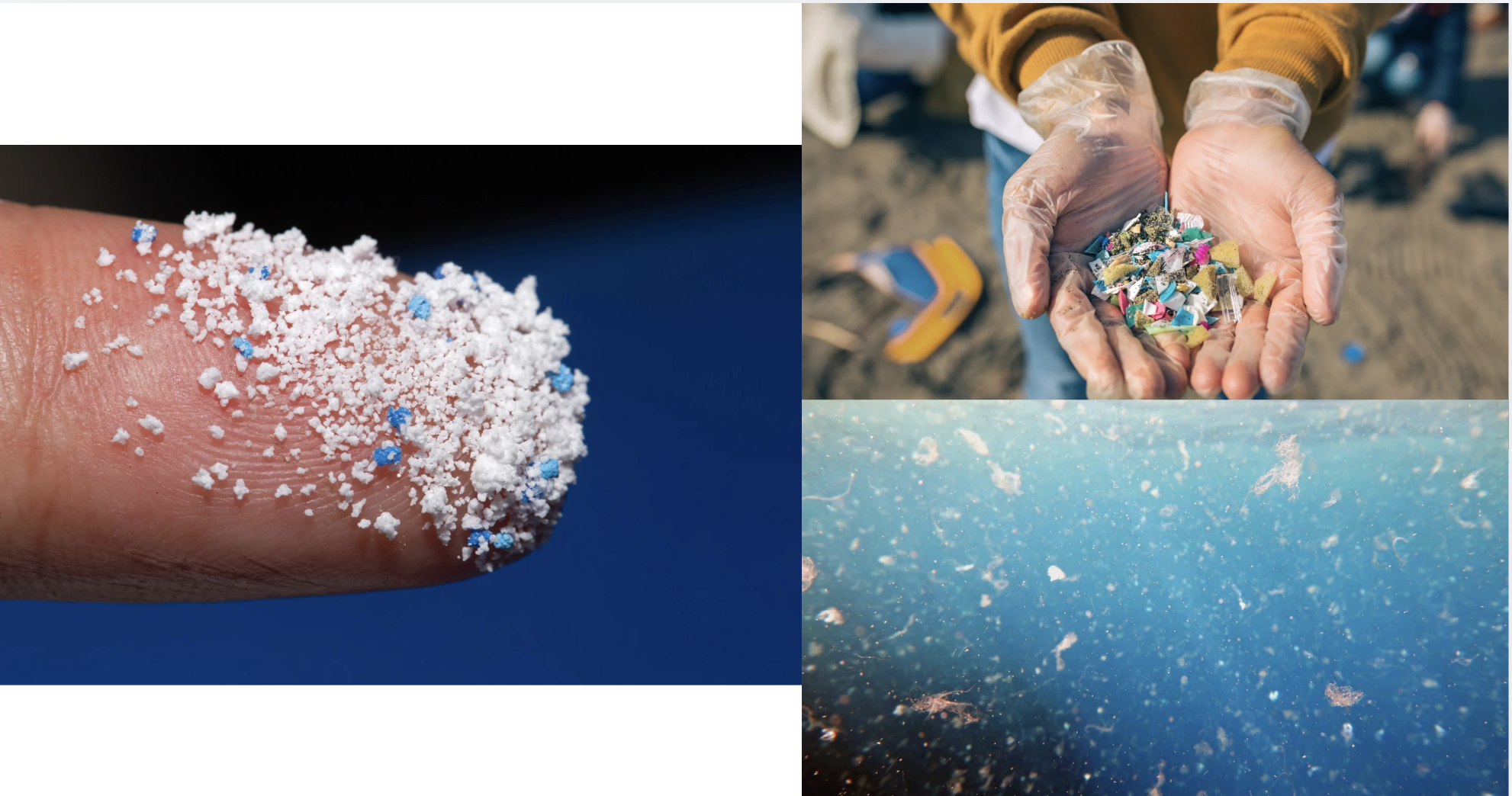
The answer is microplastics.
Microplastics are tiny plastic particles less than five millimeters in size—many are so small they cannot be seen with the naked eye. They are created when larger plastic products break apart over time or are intentionally manufactured for products such as cosmetics, synthetic fabrics, and industrial materials.
Unfortunately, these tiny particles are now found almost everywhere. Scientists have discovered them in our oceans, rivers, soil, drinking water, seafood, fruits and vegetables, table salt, and even the air we breathe. More concerning, researchers have found microplastics in human blood, lungs, liver, placentas, breast milk, and brain tissue.
Why Should You Care?
Your body was never designed to handle plastic.
While research is still evolving, studies suggest that microplastics may contribute to several health concerns, including:
- Increased inflammation throughout the body
- Oxidative stress and cellular damage
- Hormonal disruption
- Changes in gut bacteria and digestive health
- Impaired immune function
- Potential cardiovascular effects
- Reduced fertility and reproductive health
- Possible effects on brain health and cognition
Many plastics also contain chemicals known as endocrine disruptors, including BPA and phthalates. These chemicals can interfere with your body’s natural hormones by mimicking or blocking their normal function. For women already struggling with PMS, infertility, perimenopause, or menopause, reducing exposure to these compounds is one more way to support healthy hormone balance.
Inflammation: The Common Denominator
One of the biggest concerns with microplastics is inflammation.
When foreign particles enter the body, the immune system recognizes them as something that doesn’t belong. This can trigger chronic, low-grade inflammation—the same type of inflammation linked to heart disease, diabetes, arthritis, autoimmune conditions, cognitive decline, and many chronic illnesses.
Reducing your toxic burden is one important piece of supporting your body’s natural ability to heal.
Where Are Microplastics Hiding?
You may be exposed to microplastics every day through:
- Bottled water
- Plastic food containers
- Heating food in plastic
- Plastic wrap
- Non-stick cookware with damaged coatings
- Synthetic clothing such as polyester and fleece
- Tea bags made with plastic mesh
- Personal care products containing plastic microbeads
- Household dust
- Single-use food packaging
While it’s impossible to eliminate every exposure, you can significantly reduce the amount your body encounters.
Practical Ways to Reduce Your Exposure
You don’t have to overhaul your life overnight. Small changes add up.
Choose filtered water. A high-quality water filtration system can reduce many contaminants, including some microplastics. Consider using a reusable stainless steel or glass water bottle instead of disposable plastic bottles.
Never heat food in plastic. Heat causes plastics to release more chemicals into food. Store and reheat leftovers in glass or ceramic containers.
Replace plastic food storage over time. Switch to glass containers, stainless steel lunch boxes, or silicone products designed for food storage.
Eat more whole, fresh foods. Highly processed foods often come wrapped in multiple layers of plastic. Choosing fresh fruits, vegetables, quality proteins, and home-prepared meals naturally reduces exposure.
Reduce the use of single-use plastics. Reusable shopping bags, coffee mugs, utensils, and water bottles can make a meaningful difference.
Choose natural fibers. Cotton, wool, linen, and bamboo clothing shed fewer plastic fibers than synthetic fabrics.
Ventilate and clean your home regularly. Household dust is a surprisingly common source of microplastics. Vacuuming with a HEPA filter and dusting regularly can help reduce indoor exposure.
Supporting Your Body Naturally
While avoiding every microplastic isn’t realistic, supporting your body’s natural detoxification systems is something you can control.
Focus on the foundations of health:
- Eat a nutrient-dense, whole-food diet.
- Stay well hydrated with filtered water.
- Support healthy digestion and regular bowel movements.
- Exercise consistently.
- Prioritize quality sleep.
- Manage stress effectively.
- Reduce unnecessary exposure to environmental toxins.
A healthy liver, digestive system, kidneys, and lymphatic system work together every day to process and eliminate many of the substances we’re exposed to. Giving your body the nutrients it needs allows these systems to function at their best.
The Bottom Line
We can’t eliminate plastic from modern life, but we can make smarter choices that reduce our exposure and lower our toxic burden.
At The Health Improvement Center, we believe that every healthy choice matters. Whether it’s improving nutrition, balancing hormones, reducing inflammation, supporting gut health, or minimizing environmental toxins, small daily decisions create lasting health.
This Plastic Awareness Month, challenge yourself to replace just one plastic habit with a healthier alternative. Your body—and future generations—will thank you.
~Dr. Katie
Owner of The Health Improvement Center