Perimenopause: Why You Don’t Feel Like Yourself (And What You Can Do About It)
Have you ever looked in the mirror and thought, What happened to me?
You’re exhausted even after a full night’s sleep. You’re gaining weight despite eating the same foods. Your emotions seem to change without warning, your memory isn’t as sharp as it used to be, and you’re wondering if you’re simply getting older.
The truth is, you may be entering perimenopause.
Perimenopause is the transitional stage leading up to menopause and often begins in a woman’s late 30s or 40s. While menopause officially begins after you’ve gone 12 consecutive months without a menstrual cycle, perimenopause can last anywhere from four to ten years. During this time, hormone production becomes less predictable, leading to a wide variety of symptoms that can affect nearly every system in the body.
Common Symptoms of Perimenopause
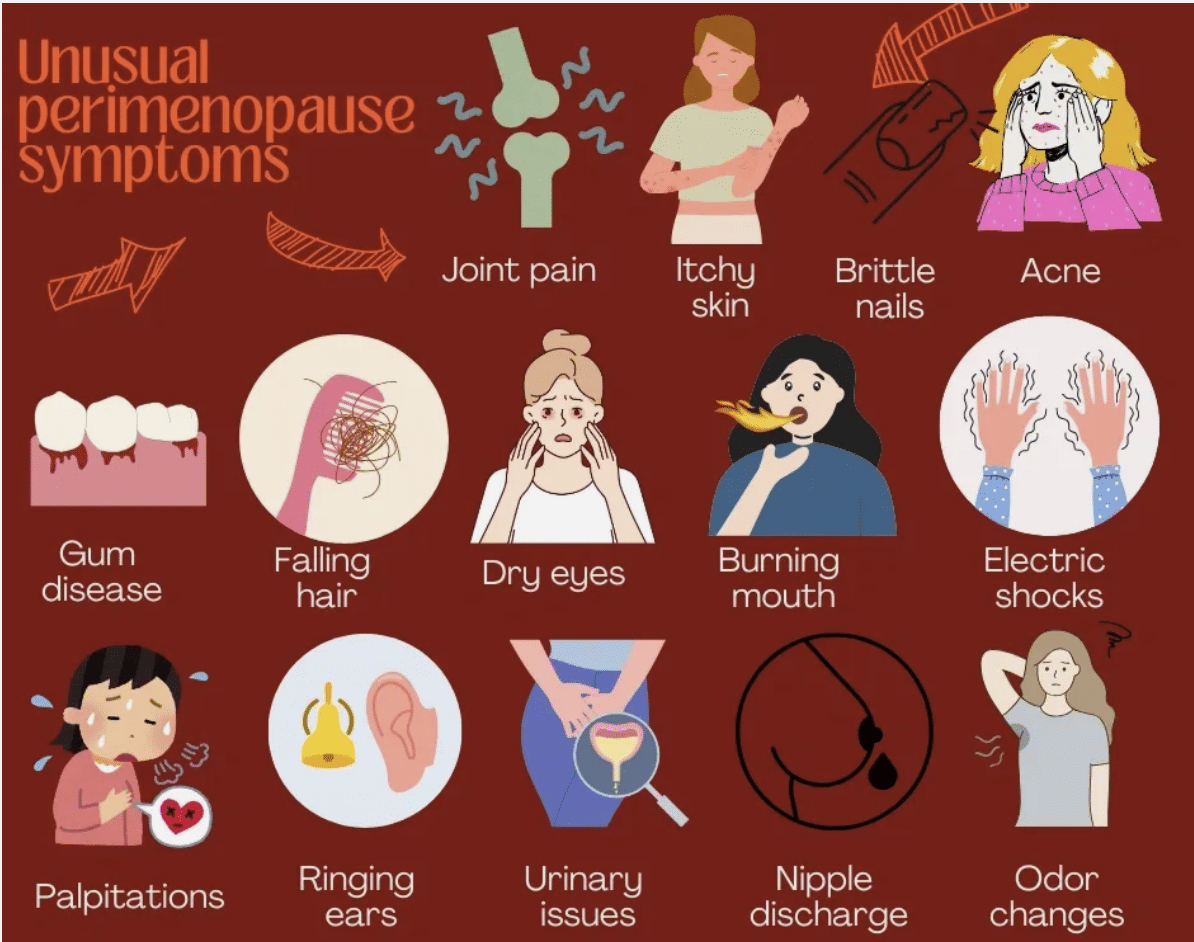
Every woman experiences perimenopause differently, but some of the most common symptoms include:
- Irregular or heavy menstrual periods
- Painful menstrual cramps
- Hot flashes and night sweats
- Brain fog and forgetfulness
- Fatigue and low energy
- Weight gain, especially around the abdomen
- Mood swings, irritability, anxiety, or depression
- Difficulty sleeping
- Low libido
- Headaches or migraines
- Joint and muscle discomfort
- Dry skin and thinning hair
Many women visit multiple healthcare providers only to hear that their blood work is “normal.” While standard laboratory ranges may not identify a problem, your symptoms are real and deserve to be taken seriously.
Looking Beyond Hormones
At The Health Improvement Center, we understand that hormones don’t function in isolation. Hormonal health is closely connected to many other systems in the body.
Factors that can worsen perimenopausal symptoms include:
- Chronic inflammation
- Blood sugar imbalance
- Nutrient deficiencies
- Poor gut health
- Chronic stress and adrenal dysfunction
- Liver congestion, making it harder to metabolize hormones efficiently
- Thyroid dysfunction
- Environmental toxins that can interfere with hormone balance
If these underlying issues aren’t addressed, hormone symptoms often become more noticeable and more difficult to manage.
Our Root-Cause Approach
Rather than simply masking symptoms, our goal is to discover why your body is struggling.
We combines several natural approaches to create a personalized wellness plan, including:
- Functional Nutrition
- Functional Blood Chemistry Analysis
- Applied Kinesiology
- Whole-food nutritional supplementation
- Lifestyle and stress-management strategies
- Essential oils to support emotional wellness, sleep, and healthy hormone function
Each recommendation is tailored to your unique needs because no two women experience perimenopause in exactly the same way.
Natural Support for Your Changing Body
Supporting your body during perimenopause doesn’t require waiting until symptoms become unbearable. Simple, consistent lifestyle changes can make a meaningful difference.
Many women experience improvements by focusing on:
- Eating a nutrient-dense, anti-inflammatory diet
- Prioritizing high-quality protein and healthy fats
- Supporting healthy blood sugar levels
- Improving sleep habits
- Managing stress through daily movement, breathing exercises, or mindfulness
- Staying hydrated
- Using targeted supplements and essential oils when appropriate
When your body has the nutrients and support it needs, it is often better able to adapt to the hormonal changes of perimenopause.
You Don’t Have to Just Live With It
Too many women are told that feeling exhausted, anxious, forgetful, or constantly overwhelmed is simply part of getting older. It doesn’t have to be.
By identifying the root causes behind your symptoms and supporting your body’s natural ability to heal, it’s possible to improve energy, sleep, mental clarity, mood, metabolism, and overall quality of life.
If you’re beginning to notice the signs of perimenopause, don’t wait until your symptoms become severe. The sooner you address the underlying imbalances, the better equipped your body will be to navigate this transition.
At The Health Improvement Center, we’re here to help you understand what’s happening, uncover the root causes, and create a personalized plan so you can move through perimenopause feeling healthier, stronger, and more like yourself again.
~Dr. Katie
Owner of The Health Improvement Center