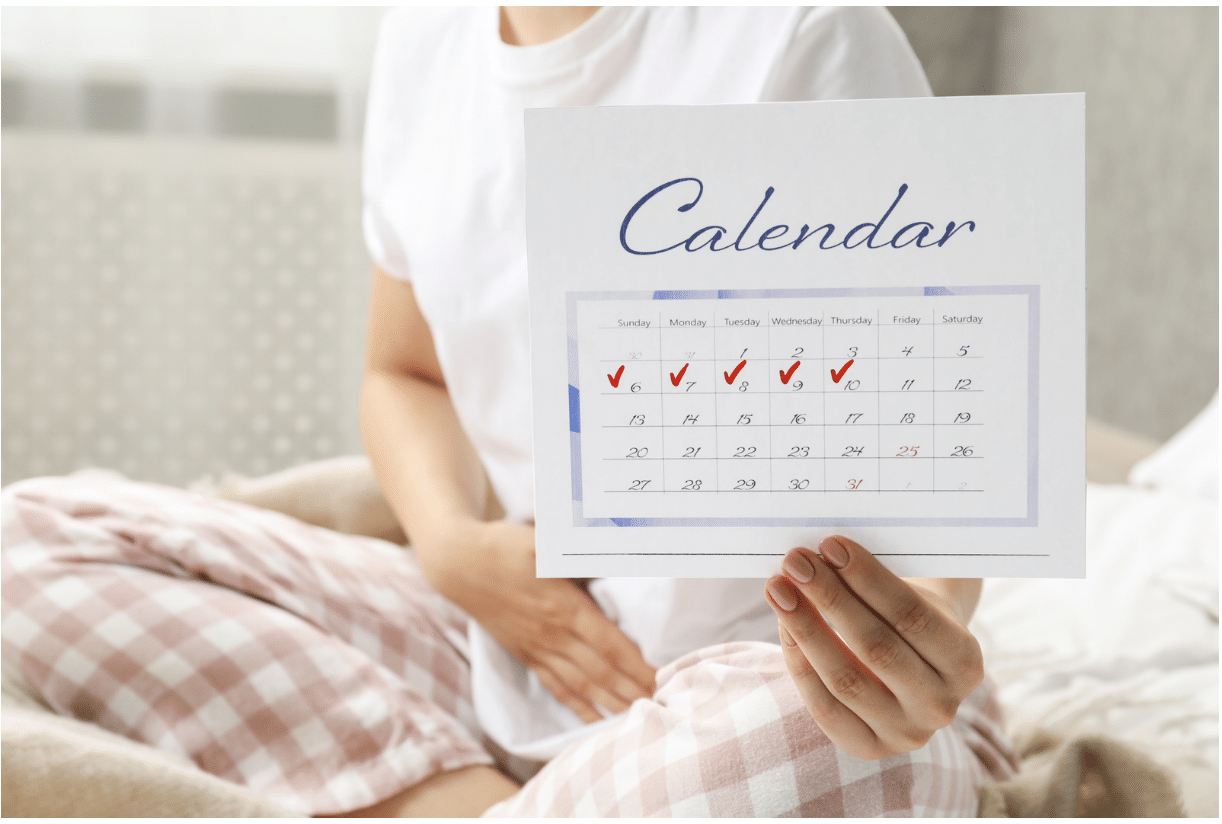
Why honoring your cycle changes energy, mood, PMS, sleep, and hormone balance
Most women are taught to treat every day of the month the same.
Same workouts.
Same expectations.
Same productivity.
Same food rules.
But your body doesn’t work that way.
Your hormones shift predictably throughout your cycle — and when you fight those rhythms, symptoms show up. Fatigue, PMS, cravings, anxiety, poor sleep, and burnout aren’t signs of weakness. They’re signs your body is asking for alignment.
The good news?
You don’t need perfection. You need awareness and small adjustments.
When you support your hormones in each phase of your cycle, everything feels easier.
Let’s break it down.
Why Your Cycle Is a Built-In Hormone Blueprint
A healthy menstrual cycle is a monthly conversation between your brain, ovaries, adrenal glands, thyroid, liver, and gut.
Each phase has a purpose:
-
Energy rises and falls
-
Metabolism shifts
-
Stress tolerance changes
-
Nutrient needs vary
When this rhythm is respected, cycles become smoother and symptoms decrease.
When it’s ignored, hormones compensate — and you feel it.
The Four Phases of the Menstrual Cycle
Menstrual Phase (Days 1–5)
Follicular Phase (Days 6–13)
Ovulatory Phase (Days 14–16)
Luteal Phase (Days 17–28)
(Exact timing varies — your body is the guide.)
Phase 1: Menstrual Phase — Restore & Replenish
This is the start of your cycle — when bleeding begins.
What’s happening hormonally
How you may feel
-
Low energy
-
Inward, reflective
-
Needing more rest
-
Less social
This is not the time to push.
How to support your hormones
Nutrition
Movement
-
Gentle walking
-
Stretching
-
Restorative yoga
Lifestyle
-
Extra sleep
-
Slower mornings
-
Reduced expectations
Supporting rest here prevents burnout later in the cycle.
Phase 2: Follicular Phase — Build & Energize
Energy begins to rise after your period ends.
What’s happening hormonally
How you may feel
How to support your hormones
Nutrition
-
Lean protein
-
Fresh vegetables
-
Light, balanced meals
-
Support digestion
Movement
-
Strength training
-
Moderate cardio
-
Trying new workouts
Lifestyle
-
Planning
-
Goal setting
-
Starting projects
This is a great phase for building momentum — without overdoing it.
Phase 3: Ovulatory Phase — Connect & Express
This is the peak of your cycle.
What’s happening hormonally
How you may feel
-
Confident
-
Social
-
Communicative
-
Energetic
This is when many women feel “most like themselves.”
How to support your hormones
Nutrition
-
Antioxidant-rich foods
-
Adequate fiber
-
Balanced blood sugar
Movement
Lifestyle
-
Social engagement
-
Important conversations
-
Presentations or events
Supporting liver and gut health here helps estrogen clear properly later.
Phase 4: Luteal Phase — Stabilize & Ground
This is the phase most women struggle with.
What’s happening hormonally
How you may feel
How to support your hormones
Nutrition
Movement
-
Moderate exercise
-
Less high-intensity
-
More recovery
Lifestyle
-
Earlier bedtimes
-
Reduced stimulation
-
Saying no more often
When progesterone is supported, PMS softens dramatically.
Why PMS Is a Sign of Mismatch — Not Inevitable
PMS is often caused by:
-
Low progesterone
-
Blood sugar instability
-
Poor estrogen clearance
-
Stress overload
-
Inadequate nutrition
It’s not a normal requirement of being female.
Supporting the luteal phase changes everything.
The Role of Blood Sugar Across the Cycle
Blood sugar stability is critical in every phase — but especially in the luteal phase.
When blood sugar drops:
-
Cortisol spikes
-
Progesterone drops
-
PMS intensifies
-
Sleep worsens
Consistent meals and adequate protein are non-negotiable.
When Cycles Are Irregular or Missing
If your cycle is:
-
Irregular
-
Very painful
-
Extremely heavy
-
Missing altogether
Your body is under stress.
The cycle doesn’t need to be “fixed” — the system does.
You Don’t Need to Do This Perfectly
Cycle support isn’t rigid.
It’s flexible awareness:
-
Listening to energy
-
Adjusting expectations
-
Supporting what’s needed
Even small shifts make a big difference.
The Bottom Line
Your cycle is not the problem.
It’s the roadmap.
When you support each phase:
Working with your cycle changes how your body feels — and how life feels.
Ready to Reset Your Monthly Rhythm?
If your cycle feels like something to survive instead of support, it may be time to shift how you approach it.
Your hormones aren’t broken.
They’re asking for rhythm.
Dr. Katie Thompson, DC, MSTN
Dr. Katie Thompson is a chiropractor and functional nutritionist who helps women uncover the root causes of sleep issues, hormone imbalance, digestive problems, and chronic fatigue. Through a whole-body, systems-based approach, she empowers clients to restore balance, resilience, and lasting health.